Preparing Facilities for On-Farm OPU and Embryo Transfer Visits
Good results from on-farm OPU and Embryo Transfer rarely hinge on good luck. They expand from tidy, tranquil facilities, a well taken into consideration layout, and a team that understands their sequence. I have actually enjoyed a seven donor day slide into the evening since an outlet stumbled and a vacuum pump delayed. I have likewise seen 60 oocytes accumulated prior to noon, with embryos securely frozen by late mid-day, since the ranch and tech staff worked as one. The difference sits in preparation.
This overview distills functional details attracted from numerous days behind the chute and alongside the mobile lab, concentrated on IVF Bovine programs that rely upon OPU, additionally called Oocyte Collection, complied with a week later by Embryo Transfer or vitrification and later transfer. The tone is specialist due to the fact that the stakes are genuine. Every donor min prices money, and every recipient cycle is a slim window.
What success appears like on a ranch visit
A strong day has a rhythm. Benefactors show up to a dry, shaded pen. Each animal enter a solid, well lit chute that does not rattle. The ultrasound cart and OPU console rest on stable ground with a safe, dry source of power. Heated collection media stands at 35 to 37 C, and the vacuum holds constant in the 90 to 130 mmHg array, gotten used to roots size and type. The tech group relocates oocytes from the collection meal to the lab within one or two minutes, after that rinses, filters, and holds them in buffered media. Documents aligns with straw labels. The ranch crew cycles livestock effectively, with very little shouting and no pets in the street. When ET day comes, recipients are integrated to within 6 to 12 hours of the embryo age. A thaw bath holds temperature within half a level, and the veterinarian finds the uterine horn without a fight.
Those are outcomes. Getting there takes planning.
Map the process prior to the trailer arrives
OPU and Embryo Transfer have different needs, yet both comply with a circulation that should be mapped against your area and staff.
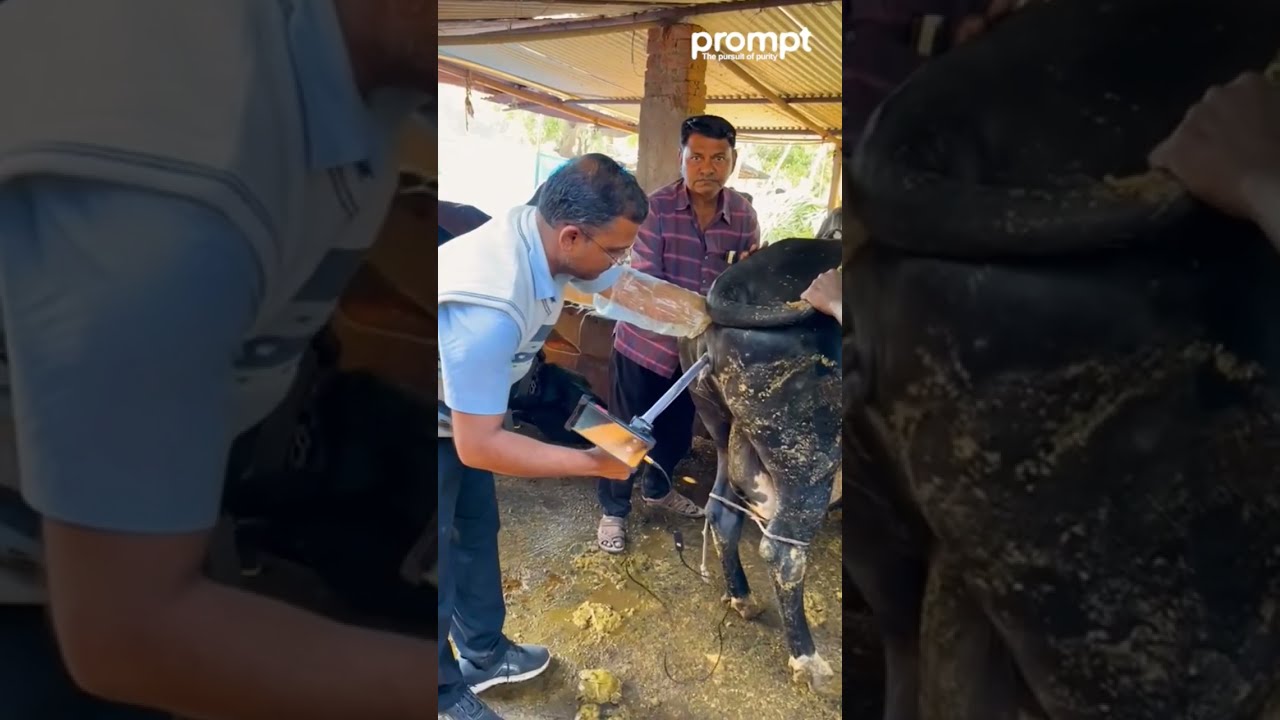
For OPU, the workflow goes like this: sedate or restrain the donor, tidy the perineal location, put the ultrasound probe with needle overview, aspirate roots one at a time, gather fluid into a warmed up tube, pass television to the laboratory, after that rinse and repeat. A donor with 20 to 40 aspirated hair follicles usually takes 15 to 35 mins, relying on ovarian task, operator experience, and character. Over production dairies or Bos indicus donors with plentiful small hair follicles, the pass can take longer since the operator will certainly aspirate numerous tiny frameworks instead of a few huge ones. A useful upper bound for a skilled 2 to 3 person team is 6 to 12 donors in a regular day. The mobile laboratory requires silent, temperature control within a practical range, and zero dust.
For Embryo Transfer, the flow is leaner: restrain the recipient, verify the corpus luteum by palpation or ultrasound, thaw the embryo if frozen or fill a fresh embryo into a straw, after that move to the uterine horn on the side of the CL. With two specialists and a chute that lots smoothly, 8 to 15 transfers per hour is reasonable, resolving right into 5 to 8 per hour if receivers are fractious or the facility slows down the turn.
Mapping the circulation assists you put tools and people so they never cross cords or pass polluted products over tidy zones. It likewise offers the crew a shared photo of the day.
Site choice and layout that work in actual life
A degree pad on concrete or jam-packed gravel near the working pens is optimal. Avoid yard in damp periods because carts dig ruts and cords sink. Put the chute over, completely dry ground, not in a reduced pocket that drains pipes right into your laundry area. If you must utilize an existing barn aisle, determine the ceiling elevation and ensure the ultrasound arm can turn without striking rafters or fans.
Place the mobile laboratory out of the wind and dust. In warm climates, an easy color cloth on the south and west sides can keep equipment 5 to 8 C colder. Maintain the lab upwind from the chute when possible, so aerosolized manure does not wander into open media. Run extension cords overhanging or along a wall, not across the walkway. If that can not be stayed clear of, tape them down and mark with intense paint.
Lighting issues greater than individuals expect. For OPU, a brilliant headlamp assists the driver see the perineal area. In the laboratory, even diffuse light is best, and straight sunlight is the opponent due to the fact that it heats up media and bleaches embryos under a stereoscope. If you have only natural light, hang color tarps and bring a job lamp with a broad, amazing beam.
Traffic circulation must be one means. Cattle move in, stand, then leave to a recovery pen, not back via the incoming alley. People require their very own lanes. Maintain the ranch staff's course to the chute outside the impact of power cords, oxygen bottles, and supply tables.
Power, water, and climate control
Mobile IVF laboratories and ET gears are modest in draw but unforgiving of brownouts. A mobile generator with tidy sine result is cheap insurance coverage. I request for a 3 to 5 kW device, fueled and checked the day in the past, also if dependable grid power rests 20 lawns away. If you plan to run on farm power, confirm the electrical outlet is a specialized 20 amp circuit. Old outlets in barns often evaluate great with a drill, after that falter when a heater block and air pump start together.

Cords must be outside rated, at least 12 scale for longer runs. Reels can be practical, yet unspool them totally to prevent heating under lots. Secure plugs from splashes. GFCI defense is nonnegotiable around clean bays.
Water needs are straightforward however particular. Safe and clean water for cleaning hands and rinsing the benefactor is vital. Do not use high pressure sprayers near the laboratory because they aerosolize manure. For the laboratory, bring or provide distilled or deionized water for media prep and bath make-up. Difficult well water can skew osmolality and leave deposit on warmers and bathrooms. A hot water resource helps, but we can heat in line if needed.
Ambient temperature control minimizes embryo stress and anxiety and operator error. In winter season, a tiny camping tent with a portable heating system can keep the lab at 18 to 24 C. In summer season, usage color, followers, and a mobile air conditioning if you have enclosed room. Keep air moving however not blasting across open meals. Stable temperature pays off in higher bosom and blastocyst prices for IVF Bovine programs and healthier embryos at ET.
Biosecurity and cleanliness without endangering embryos
Embryos are breakable to contaminants that barely worry grown-up livestock. I have enjoyed cleavage prices plunge due to the fact that a team cleaned tables with a yearn oil cleaning agent. Residues hinder lipid membrane layers and enzyme systems. The regulation is easy: make use of embryo secure disinfectants and wash completely. Quaternary ammonium items prevail in embryo laboratories, and chlorhexidine is reliable for skin preparation. Prevent phenolics and strong chlorine near open media.
Create a clean area around the lab where manure does not enter. Lay rubber floor coverings you can bleach in between sessions. Set manure buckets and splashy wash downs at the very least 10 feet away. Wear tidy handwear covers in the lab and various handwear covers in the chute area. Maintain aerosols far from open dishes. If flies are a trouble, hang catches upwind and utilize followers for a mild curtain of air at the laboratory's leading edge. Avoid foggers or sprays while recipes are open.
If you hold multiple outside crews across a season, appoint a handwashing terminal and keep paper towels equipped. Location a sharps container where it is obvious and vacant it when two thirds complete. Utilized sleeves, polluted pads, and disposables should enter into lined containers that entrust the staff whenever possible.
The chute and pet handling that keep benefactors calm
Good livestock handling makes the day. Benefactors that fill silently and stand calmly give far better accessibility to ovaries and less complications. The chute ought to have a head catch and a safe tail tie or tail jack to decrease kicking. Kick panels shield knees and ultrasound devices. Rubber matting in the chute minimizes slipping. Prevent noisy pneumatically-driven gateways unless you can cushion them.
Lighting around the chute must eliminate sharp shadows, which livestock regard as openings. Followers help in warm, however set them to stay clear of buffeting the perineum throughout OPU. An easy personal privacy panel behind the contributor soothes many animals.
Sedation is farm and vet certain, yet agree on a plan. Low dosage xylazine helps some donors kick back, particularly heifers. Be cautious with expectant pets, since xylazine can increase uterine tone. Create reversal agents and maintain them classified. Videotape dosages in the benefactor's documents with time stamps. Plan feed withholding on an instance by situation basis. Lots of OPU programs do not rapid donors, but heavy grain right prior to dealing with can boost manure result and distend the rectum, which makes complex palpation. A snack previously in the early morning, then hay and water after the treatment, usually functions well.
Donor preparation influences what you can collect
The ideal OPU day started three weeks earlier. Donor cyclicity, roots wave control, and mineral condition shape what we see on the display. If you work with IVF Bovine centers, coordinate pre therapy procedures. Lots of make use of a basic program to prime a new wave to make sure that even more medium roots show up on OPU day. In Bos indicus and crossbred benefactors with numerous tiny roots, a little greater vacuum and mild strategy harvests oocytes without damaging the ovarian surface. Milk contributors with cystic propensities need evaluation, not a one dimension approach.
Body condition need to being in the 2.75 to 3.5 range on a 5 factor dairy scale or 5 to 6 on a 9 factor beef range. Thin donors often provide less oocytes and low quality cumulus. Obese benefactors can be difficult to scan and aspirate.
Post partum period issues. Before 40 to 60 days post calving, ovarian task can be unpredictable. That said, with skilled hands you can still collect oocytes, simply take care of expectations. Anxiety decreases yield. Ship donors to the working pen a day early when possible, not at dawn, so they settle.
Clip long hair under the tail and clean the perineal location extensively. Give a completely dry area to stand after washing, because mud removes your work.
Recipient synchrony is the quiet fifty percent of ET success
Embryo Transfer days look uncomplicated when the recipients are right. This hinges on heat detection or synchronization that lines up uterine tone and secretions with the donor embryo's stage. For fresh transfers at day 7, a recipient should be 6 to 8 days post estrus, with a palpable or ultrasound visible CL on the very same side as the previous ovulation. For frozen day 7 embryos, several practitioners approve 6 to 9 days, readjusting for embryo stage and top quality. If warmth discovery is weak, utilize timed AI style protocols with CIDRs, GnRH, and prostaglandin. Maintain records tight. A 12 hour mismatch is often acceptable, but more than that chips away at pregnancy rates.
Feed bunk management, warmth tension, and lameness on the recipient side affect pregnancy as high as strategy. Shield, water, and fly control increase success in cozy seasons. If receivers are nervous, run them through the center a day before to eliminate novelty from the chute.
The mobile laboratory for OPU, developed for security and speed
OPU differs from ET in lab demand. You require a warm block for collection tubes, a 35 to 37 C water bath for media and filters, a stereomicroscope with good optics, vacuum cleaner lines that hold constant with minimal pulsation, and a reputable aspiration system. I like to hang the vacuum bottle on a heavy base and strap it to prevent topple. Secure every tube shelf with nonslip matting. Bring duplicates of consumables that can make or break the day: 0.22 micron filters, collection needles sized to your probe guide, heparinized collection media, pipette suggestions that fit your brand, and at the very least one extra vacuum regulator.
Keep a published map of your media with lot numbers, expiry days, and storage space temperatures. Oocyte handling media must be fresh, buffered for ambient CO2, and pre heated. Way too many groups rely upon approximate temperatures. Use an adjusted thermostat and examine your warmers mid day. If the lab beings in a hot barn, the water bathroom may wander high and chef embryos slowly without a visible cue.
Dust eliminates optics and includes toxic substances to open dishes. Do not established up under haylofts or beside bed linens choppers. Never run mills or blowers throughout OPU. If you should share a room, hang plastic curtains and seal voids with tape for the day.
The mobile laboratory for ET, specific but simpler
For Embryo Transfer, your core is a 35 C thaw bathroom, a stereomicroscope with a warmed stage or a cozy plate next to it, embryo handling media, packing syringes or weapons, and classified 0.25 or 0.5 ml straws. Inspect that your thaw bathroom holds temperature level within half a degree. Quick thaw methods for icy embryos depend on limited timing. A careless bathroom drops your pregnancy price and nobody knows why up until they audit the gear.
Labeling stops distress. Straw labels must include benefactor ID, breed, bovine IVF Texas collection day, stage and quality, and any kind of sexing details. Keep a 2nd visit paper, not just digital. Prior to the day begins, lay out recipients' IDs in the order they will get here and match them to embryos by phase and side. The operator must never quest through a stack of straws while a cow stands in the chute.
Two checklists that prevent the usual failures
Pre go to verifications to send two days before arrival:
- Power and water verified. Dedicated 20 amp electrical outlet or examined generator with gas, plus distilled water on site.
- Facility layout shared. Images of chute, laboratory area, and livestock flow, with wind and color noted.
- Animal list completed. Donors or receivers with IDs, pregnancy condition, temperament notes, and any type of holds.
- Biosecurity concurred. Cleaning up representatives to be made use of near laboratory identified as embryo secure, with laundry location location.
- Personnel appointed. Names and roles of 2 to four farm staff, plus that regulates gateways and records.
Day of configuration, a quick circulation that keeps pace:
- Lab warms up. Water bath, cozy blocks, microscopic lense, and vacuum on and consulted a thermometer and gauge.
- Chute check. Head catch, tail tie, mats, lighting, and noise test. Leave gateway swings without slamming.
- Supplies presented. Media, needles, sleeves, lube, disinfectants, and sharps container placed and counted.
- Paperwork aligned. Benefactor or recipient IDs available, identifies printed, and time stamps ready.
- Safety quick. Sedation strategy, reversal location, first aid, and a quit word if any person detects risk.
Waste administration and compliance that hold up under scrutiny
Sharps need to go into a rigid, labeled container. Do not toss needles into basic waste, even capped. Made use of straws, sleeves, and infected disposables should be gotten and either leave with the group or most likely to an assigned clinical waste bin, depending on local regulations. Drug logs for sedatives and turnarounds should record dosages, whole lot numbers when useful, and withdrawal times if a dealt with animal could enter the food cycle later on. Maintain copies where inspectors can discover them.
Used media and rinse fluids can be poured right into manure pits, yet never right into drains pipes that result in surface area water. Do not discard disinfectants near the laboratory location while recipes stay open.
Weather and ground conditions you can actually control
Wind and dirt deteriorate lab problems and raise contamination during perineal prep. Straightforward windbreaks help. I have developed a reliable obstacle with hog panels and a tarpaulin in 20 minutes. In cold snaps, icy hoses and numb fingers slow down the entire day. Wrap faucets, phase water inside, and run a secure area heating unit in the lab. In summer season, plan for heat by beginning at first light, adding shade, and offering donors a recovery pen with water within 50 feet of the chute. Warmth emphasized cattle are tougher to palpate and tougher to breed.
Footing is a tiny thing that pays large dividends. Livestock insinuating the street ties up time and includes danger. Sweep fine sand off concrete prior to the day, or add traction floor coverings. If bed linens stacks right into the functioning lane, breedingtech.com IVF embryo production cattle Texas push it aside.

People, timing, and communication
The best center still falls short if the team does not share the very same clock and plan. Set consultation windows that mirror truth. If your team can dependably OPU a benefactor every 25 minutes, and you have 8 benefactors, do not promise to finish prior to lunch unless you add a second check station. Surprise arrivals if contributors originated from different pastures.
Assign clear functions. One person runs paperwork and tags. One person relocations livestock and controls entrances. Someone maintains the clean area clean and takes care of hoses. These can turn, but do not assume individuals will certainly self arrange under pressure.
Use radios or phones moderately and clearly. Inside the lab, avoid chatter when counting oocytes or grading embryos. An easy callout system for time stamps and IDs decreases errors. When the strategy adjustments, claim it as soon as to the area and post it on the whiteboard.
Risk management and the unusual poor day
Complications are unusual with seasoned teams, but they happen. Vaginal or rectal tears, uncommon blood loss, or a donor that decreases in the chute need a tranquil response. Maintain a well stocked first aid kit available, with clean and sterile lube, sleeves, long forceps, hemostats, and suture products. Have a vet on website for OPU and ET days or available within mins. If hefty sedation is used, maintain oxygen and a bag shutoff mask for emergencies.
Equipment falls short. Vacuum cleaner regulatory authorities stick, microscopes lose power, warmers wander. Carry spares or at the very least adapters. This is where an examined generator saves the day. If power dies, cover open recipes, cap tubes, and guard embryos from drafts while you restore power. If you can not, relocate to a backup site or reschedule. It is far better to stop briefly than to press through with compromised conditions.
Records and traceability that protect value
Keep a tidy chain of identity from benefactor to embryo to recipient. Use barcodes or clear, repetitive creating on straw tags. Tape collection times, oocyte counts, growth conditions if the IVF facility supplies them, and embryo qualities. After ET, log the horn, CL high quality, simplicity of passage, and any abnormalities. Maternity check plans need to be set before ET day, usually at 28 to 35 days by ultrasound, after that reconfirmed at 60 days.
Back up electronic documents the very same day. Photo white boards before erasing. An easy error in a number or letter can misplace an important maternity. Auditors and customers search for cool, constant records. When your documents checks out cleanly and matches straw tags and tags, you build trust.
Budgets, trade offs, and what not to overbuild
It is appealing to put concrete, install bright lights, and cord a subpanel simply for these gos to. Invest where it minimizes run the risk of the most. A risk-free, quiet chute with good footing beats fancy counters. Shade for cattle and laboratory pays back in summer season pregnancy prices. A mid grade generator with fresh gas beats an old electrical outlet a person re-wired last wintertime. Reusable mats and stanchions offer versatility, while dealt with benches may sit idle.
On the various other hand, do not skimp on relatively small products. Thermostats you trust, an extra vacuum line, appropriately sized needles, and extra media maintain the day on track. If a device touches embryos, acquire quality and keep it clean.
A quick instance from the field
On a beef seedstock ranch with scattered pens, we established the chute versus the eastern wall surface of a maker shed, with the mobile lab 15 feet upwind behind a set of windbreak panels. Power came from a 4 kW inverter generator, evaluated the night prior to. The team went through the donor listing at sunrise, after that loaded the first heifer at 7:30. The lab maintained 36 C in the bath and 100 mmHg vacuum cleaner at the probe. We aspirated 8 contributors by 1:40, with a 20 min lunch while media heated in a 2nd bath. The livestock moved silently due to the fact that the street had fresh floor coverings. A stray stress washer stayed off up until we closed dishes at the end. One electrical outlet in the shed had a loose neutral, however we never ever used it since the generator lugged the load. Seven days later on, recipients that were synchronized with a basic CIDR - GnRH - PGF program aligned on schedule. We moved 24 embryos in three hours with two techs, matched horn side to CL. Pregnancy inspected at 33 days, 16 held, two open cows revealed quiet heats up, and one twin was squeezed. The proprietor asked what to boost. I suggested an irreversible color sail and much better cable monitoring. Small details, huge returns.
Bringing it together
Preparing for OPU and Embryo Transfer gos to is less regarding purchasing specialized devices and even more about intent. Map the workflow, set the laboratory up for secure temperature level and no dust, give cattle a chute that feels risk-free, power the equipment with assurance, and run a tight, respectful team. Coordinate donor preparation and recipient synchrony so the biology gets here prepared to assist you. When the day is calm and calm, oocytes show up in the lab within a minute of desire, embryos sit in clean media at steady temperature level, and transfers happen right into well timed uterine horns. That is when IVF Bovine programs show their value, not simply in numbers on a spreadsheet, however in audio maternities that carry through to sale day and the following generation.